

In North America, wholesale distribution is navigating an $8 trillion transformation where the difference between leaders and laggards is defined by execution. For distributor shippers, this means managing the moving of goods, sourcing carriers and maintaining service levels amid a highly fragmented technological landscape.
The distributor’s daily grind
Distribution is the art of managing the supply chain between partners, but many organizations remain trapped in a seller mindset focused solely on the last mile. This creates internal silos where different teams manage inbound supply, outbound logistics and facilities with separate KPIs that pull the business in opposite directions.
The financial consequences are clear. Fragmented visibility causes distributors to miss freight consolidation opportunities, often paying premium spot prices for moves that their own preferred carrier network could have optimized. This silent tax on margins is a constant source of risk and inefficiency.
The moving parts of the daily workflow include:
- Inbound & intercompany moves: Often relegated to third-party assets managed by separate teams, leading to fractured data.
- Outbound delivery: Typically handled by private fleets to maintain high service levels (targeting 95% On-time, in-full), but vulnerable to unpredictable seasonal spikes.
- Inventory management: Disconnected data makes a last minute model impossible, leading to costly dead inventory.
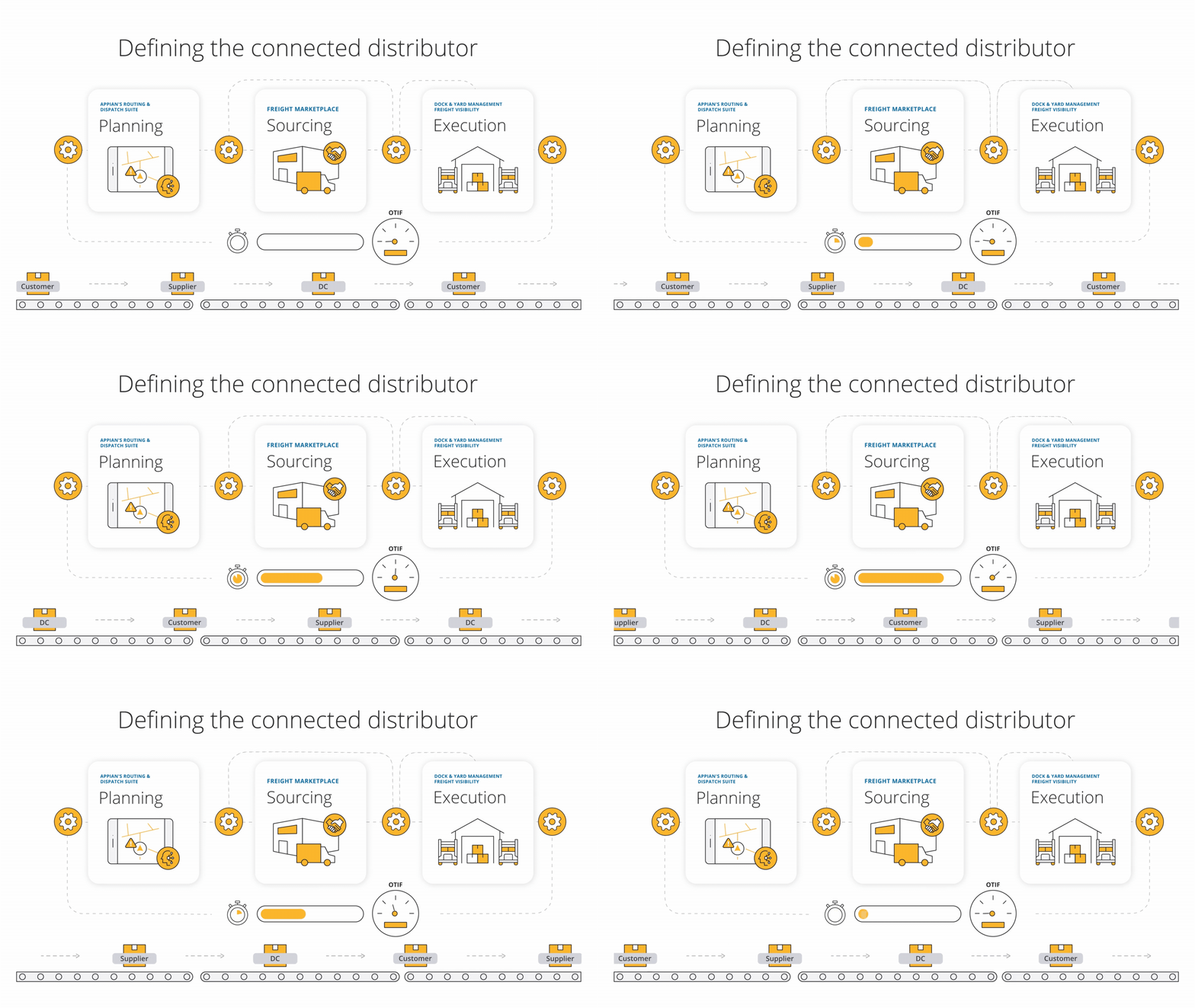
How Trimble’s solutions help distributors take operations to the next level
Becoming a connected distributor means aligning planning, sourcing and execution into a single heartbeat. Trimble provides an agility layer that unifies these functions without requiring a total system overhaul.
1. Intelligent planning and strategic modeling with Trimble Appian
Supercharge your strategic fleet planning by running "What if?" scenarios, allowing you to quantify route shifts before committing trucks. The Appian operational suite can decrease distribution costs by up to 15% through intelligent route creation.
2. Real-time execution and visibility with Trimble Freight Visibility and Dock & Yard
- Freight Visibility: Get real-time tracking across all third-party modes using AI-driven ETA data. This can reduce status check calls by 80%, providing peace of mind as freight moves between suppliers and hubs.
- Dock & Yard: Minimize congestion at the facility by synchronizing the yard with the warehouse, ensuring goods flow seamlessly from "walls to wheels."
3. Smart sourcing and market capacity with Trimble Freight Marketplace
Access a transparent platform purpose-built to source third-party capacity when private fleets are overextended. It utilizes AI-guided autonomous procurement to match up to 90% of spot load volume with automated negotiation.
Product Marketing Commentary
"While others may address pieces of the supply chain, Trimble connects the entire industry with a long view of how different types of logistics businesses work in the real world. That's the power of Trimble; unlocking potential and driving connection with all industry leaders."
— Marcus Floyd, Sr. Product Marketing Manager
Share this post:


