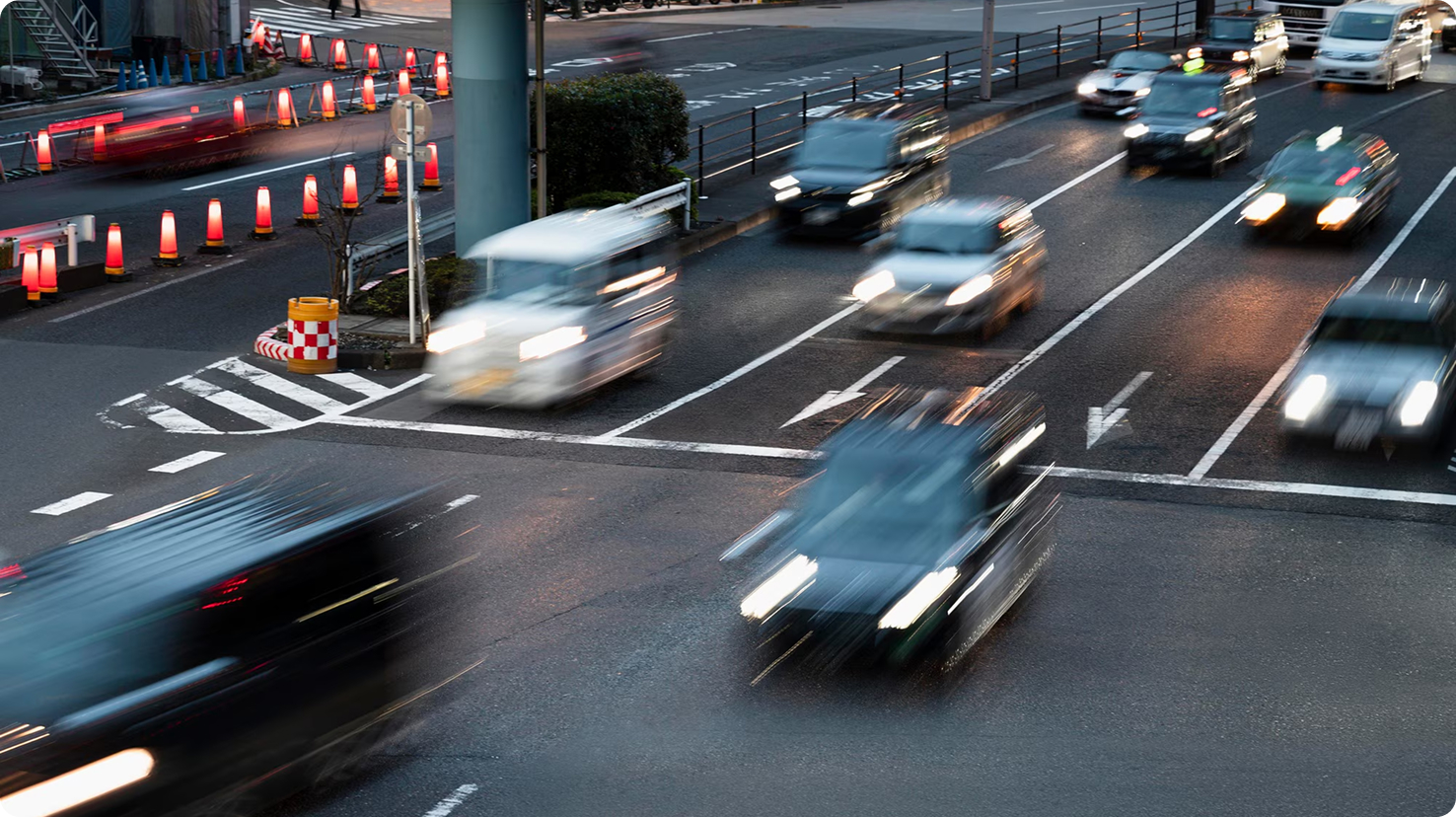
In January, New York City (NYC) implemented the first Congestion Relief Zone in North America, which requires any vehicle driving on roadways at or below 60th street in Manhattan to pay an increased toll. Since the idea was introduced, it’s been a subject of much debate, with the latest rebuff coming in the form of a challenge by the US federal government. For the time being, congestion pricing remains and has a significant impact on commercial fleets operating in and around the city, especially those making frequent trips, such as food service distributors.
It’s vital that commercial fleets are well equipped to tackle this new challenge. So, we’ve updated Trimble PC*Miler, CoPilot and Appian to account for this major change and help fleets in the region better optimize their routes to avoid unnecessary tolls, correctly tabulate costs and increase overall profitability. Below, we explore the details of the new policy, its impact on fleets and how Trimble can help.
Congestion pricing explained
Since there have been bridges and tunnels into NYC, there have been tolls, but entrance into the Congestion Relief Zone requires an additional payment processed via EZ-Pass or license plate scanning cameras. It’s a policy that’s been applied in major cities around the world—including London and Singapore—to great success.
But despite its record, congestion pricing’s NYC debut was preceded by years of debate about its merit and impact. Depending on who you ask, these new regulations are a noble effort to reduce traffic and emissions in an area typically overrun by vehicles of every make and model, or they’re merely a new tax on drivers.
According to INRIX, a parking and traffic analysis and solution provider, New York City is the second most congested city in the world behind Istanbul, with drivers losing an average of 102 hours sitting in traffic every year. This congestion results in numerous problems, including fuel waste, noise pollution, increased emissions, lost productivity and more. At the same time, the policy is expected to raise $500 to $800 million a year in funds that, according to city officials, will be put toward the improvement of mass transit.
Regardless of which side of the debate you’re on, however, the bad news is this: fleets (and their customers) will bear the brunt of the cost.
Commercial vehicles entering the Congestion Relief Zone will be tolled at a much higher rate than they have in the past. All trucks, depending on their size, can be charged between $14.40 and $21.60 from 5 a.m. to 9 p.m. EST throughout the week for entrance into the zone.
And in addition to the increased toll, trucks can also be charged multiple times over the course of a day. This means that every time a truck’s route takes them in and out of the congestion zone, they will be charged the full applicable price for every instance of re-entry.