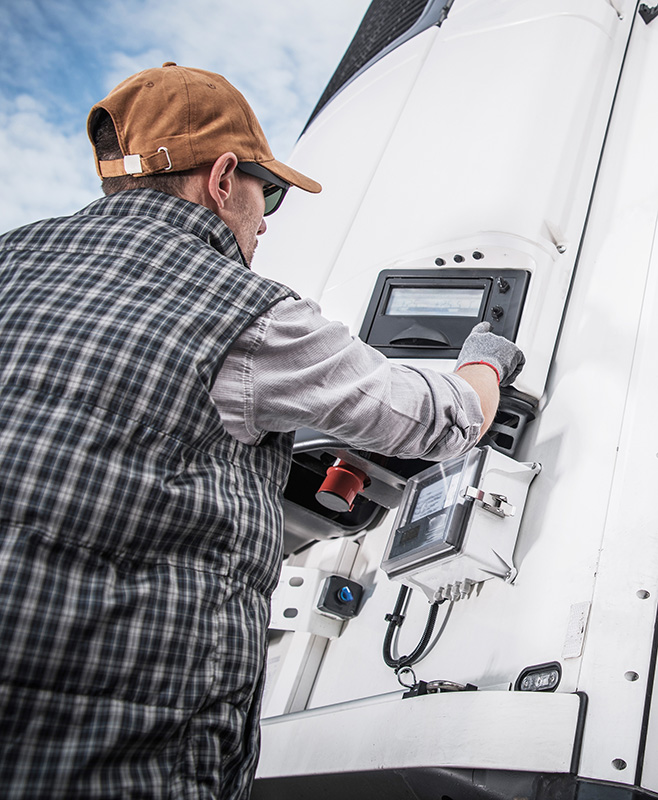
- Temperature control/tracking: For refrigerated products, every storage compartment must be pre-cooled and have a temperature monitoring device. Shippers must also define temperature specifications to be met throughout transportation.
- Temperature certification/data exchange: A log of temperature conditions for the duration of the transportation must be provided to the receiver/shipper by the carrier upon request.
- Cleanliness: Vehicles must be maintained in a sanitary condition and are subject to inspection. Loading/unloading stations must have hand-washing facilities.
- Training: Carriers must provide basic sanitary transportation practice training to their personnel.
- Data Retention: All records must be stored for a period of 12 months.
While transportation is just one aspect of the supply chain in the food and beverage industry, it is an area that is just as important as any other. Considering that transportation is one-third of the supply chain – from farms, to transportation, to stores/restaurants before reaching consumers – all parties are tasked with working together under the regulations outlined by the FSMA to ensure that food reaches consumers in a safe manner and to prevent food-borne illnesses.
Technology’s role in safety and compliance
The rise of freight visibility solutions has enabled shippers and carriers to share data more openly and freely through trusted, third-party vendors. By doing so, shippers and carriers can make sure that they are compliant with food safety transportation laws, which helps prevent the transportation of products from causing a food-borne illness outbreak.
Trimble enables shippers and carriers to monitor their freight from the time it leaves the warehouse to the time it reaches the customer. By providing insight into temperature control and location tracking, shippers and carriers can ensure that food and beverage products are transported according to FSMA regulations and that both parties are following the rules outlined by the contract.
In the end, improved collaboration will help prevent the transportation of products from being responsible for foodborne illness outbreaks.
So, remember as you sit down for your Thanksgiving meal: be thankful for the men and women of the transportation industry who made your culinary festivities possible – and safe.